Goal
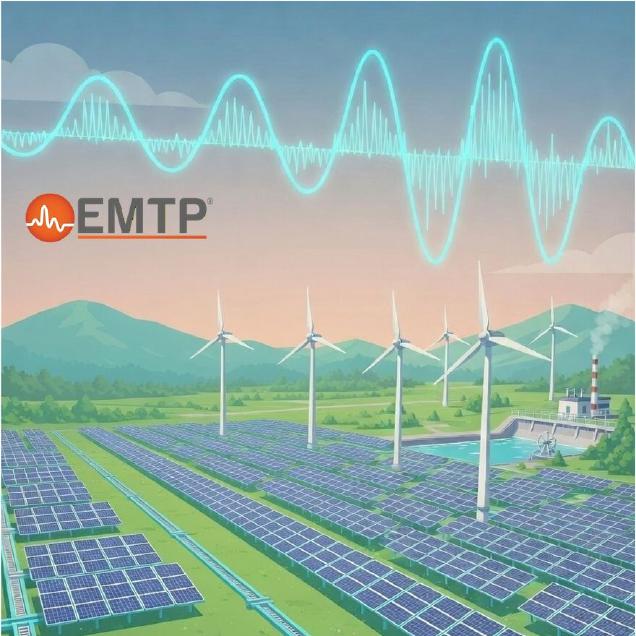
The objective of this work package is to analyze transient phenomena and dynamic stability of power systems operating with a high share of renewable energy sources (RES) and reduced system inertia. With the increasing penetration of inverter-based resources such as photovoltaic systems, wind power plants, and battery storage, traditional stability characteristics of power systems are changing, creating new operational challenges. The goal is to identify and analyze the specific stability issues associated with high RES penetration, including reduced inertia, faster system dynamics, and increased interaction between power electronic converters and the grid. Particular attention will be given to electromagnetic and electromechanical transient phenomena occurring in systems with large shares of RES and energy storage systems. Through advanced simulation and data-driven methods, this objective aims to improve the understanding of system dynamics under high renewable penetration and support the development of tools for monitoring, assessing, and predicting system stability in future low-inertia power systems.
Methods
To achieve this objective, the project will combine advanced transient simulation techniques with data-driven analysis and machine learning approaches. First, specific operational challenges related to high penetration of renewable energy sources and reduced system inertia will be identified. This analysis will focus on issues such as stability margins, converter–grid interactions, oscillatory phenomena, and system response to disturbances in networks with large shares of inverter-based generation. Second, relevant system data and input parameters required for transient simulations will be collected and defined. These parameters will include models of renewable energy sources, power electronic converters, energy storage systems, and grid components necessary for accurate dynamic simulations. Third, detailed transient analyses will be performed using the Electromagnetic Transients Program (EMTP) simulation platform. Advanced component models, including improved models of converters, renewable generation units, and storage systems, will be implemented to analyze electromagnetic and electromechanical transient behavior under different operating conditions and disturbance scenarios. Finally, machine learning–based algorithms will be developed to assess and predict the dynamic stability of the power system. These algorithms will analyze simulation data and system measurements to identify patterns associated with instability and to support early detection and prediction of dynamic stability issues in power systems with high shares of renewable energy sources.