Goal
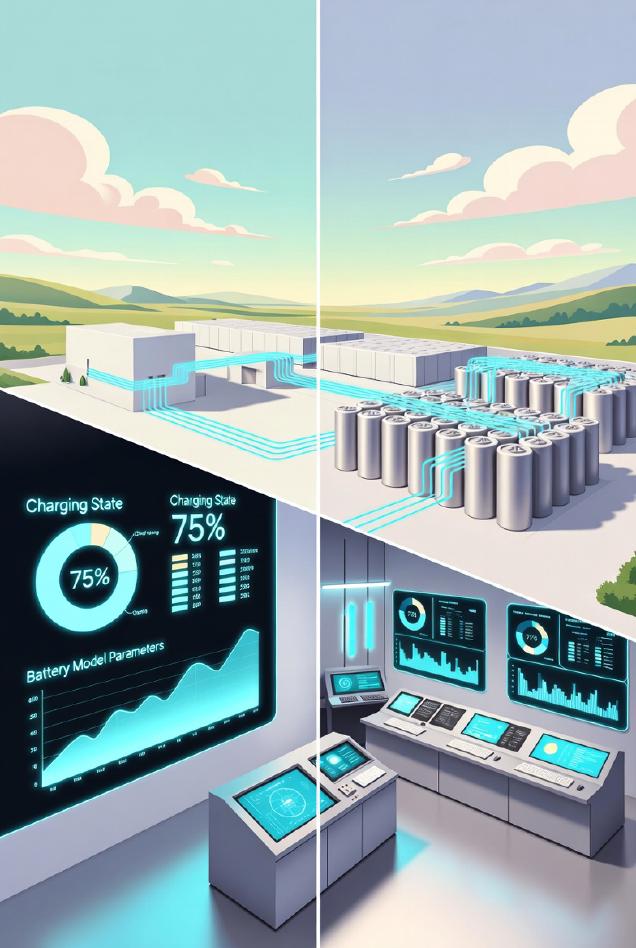
The objective of this work package is to improve the modelling accuracy and usability of key power system flexibility resources, including Battery Energy Storage Systems (BESS), Electric Vehicles with Vehicle-to-Grid capability (EV/V2G), and PEM electrolysers. The goal is to give overview and produce where necessary computationally efficient models that accurately capture the behaviour, operational limits, efficiency characteristics, and relevant degradation mechanisms of these technologies. By improving the fidelity and tractability of these models, the project will enable reliable assessment of their flexibility potential and support their integration into higher-level control, optimization, and energy management frameworks. The resulting models will provide a consistent representation of the operational constraints and dynamic capabilities of each resource type, facilitating their coordinated use in future smart and flexible energy systems.
Methods
To achieve this objective, the project will apply a combination of modelling, parameter identification, and flexibility characterization methods. These models will represent the dynamic behavior of the flexibility sources while also capturing efficiency characteristics, thermal effects, operational limits (such as state-of-charge, power limits, ramp rates, and temperature constraints), and relevant degradation mechanisms that may influence control strategies. Second, model parameters will be identified and validated using available literature data, manufacturer datasheets, and, where possible, targeted experimental measurements. This step will ensure that the developed models realistically represent the behaviour of the considered flexibility resources and allow identification of the key parameters that influence their ability to provide flexibility services. Finally, a standardized framework will be developed to quantify the flexibility envelope of each resource. This framework will characterize the available flexibility in terms of power range, energy capacity, ramping capability, response time, and duration of operation under different operating conditions. The resulting flexibility characterization will provide structured inputs for subsequent control, optimization, and system-level studies within the project.